Loading...
Serving Ennis, TX and surrounding areas. (469) 881-8137
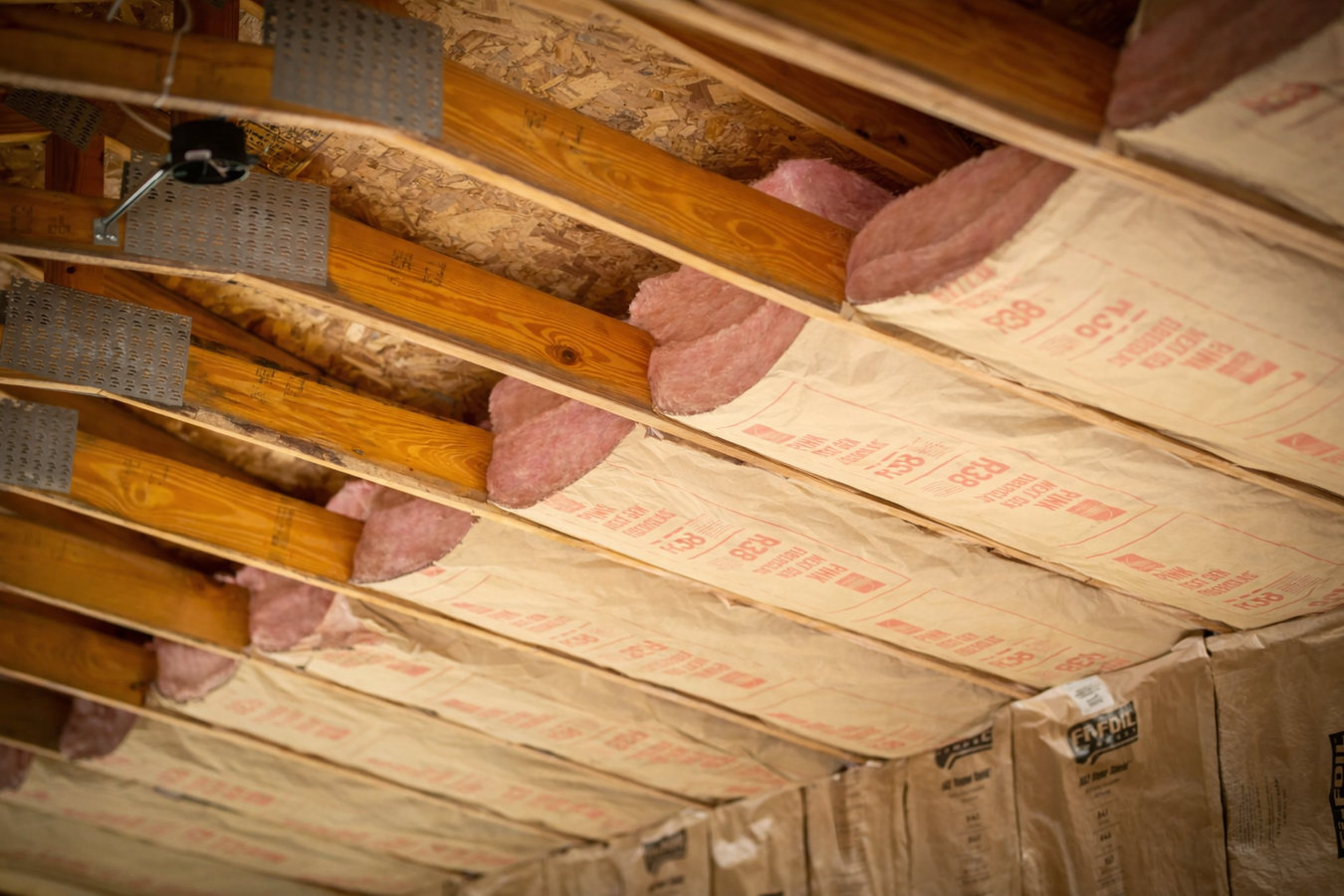
Older Ennis homes were built with far less insulation than they need today. We add what is missing - in your attic, walls, or crawl space - without major disruption to your home.
Retrofit insulation in Ennis, TX means adding new insulation to an existing home - blown, sprayed, or rolled into your attic, walls, or crawl space through small openings - without tearing walls out or starting from scratch, with most attic jobs completed in a single day and results noticeable within the first billing cycle.
A significant number of Ennis homes were built between the 1960s and 1990s, when insulation standards were a fraction of what they are today. If your home is in that range, there is a good chance your attic has just a few inches of material - nowhere near enough for the long, punishing Texas cooling season. Retrofit insulation brings your home's thermal performance up to where it should be without the disruption of a renovation. For homeowners who want to address both insulation and air gaps at the same time, pairing this work with whole-home insulation services covers every layer of the building in a single coordinated project.
There is no cure time or waiting period after blown-in insulation is installed. Your home starts benefiting immediately, and most homeowners notice the difference in how rooms hold temperature within the first few days.
If your electricity bill jumps dramatically from May through September and seems to get worse each year, your insulation may be the culprit. Ennis summers are long and intense, and a home that cannot hold cool air forces your system to run almost constantly. When you notice the air conditioner cycling on and off all day without the house ever feeling comfortable, heat is getting in faster than your system can push it out.
If the bedrooms at the back of your house or the rooms directly under the roofline feel noticeably warmer than the rest of the home, uneven insulation is often the reason. Heat radiates down from an under-insulated attic and settles in the rooms closest to it. This is especially common in older Ennis homes where insulation has settled and thinned out in spots over the years.
If you peek into your attic and can clearly see the wooden beams running across the floor, you almost certainly do not have enough insulation. Those beams should be buried under material - if they are visible, you are losing a significant amount of conditioned air. This is a quick, no-tools check any homeowner can do from the attic hatch without climbing all the way in.
Homes built in Ennis before 1990 were typically constructed under older standards that allowed far less insulation than what is recommended today. If you have never had an insulation assessment done and your home is more than 30 years old, there is a reasonable chance you are running on a fraction of what you need. The February 2021 freeze caught many older Ennis homes off guard for the same reason - not enough insulation to hold heat when it mattered most.
We install blown-in fiberglass and cellulose in attics, spray foam in tight spaces and around penetrations, and batt insulation where roll-in material fits best. Every attic job starts with an honest assessment of what is already there - not a sales pitch for the most expensive option. If air sealing gaps first will make the new insulation perform better, we do that before the material goes in. For homeowners who want to focus specifically on the attic, our spray foam insulation service offers a detailed look at foam-based options for Ennis attics and tight cavities.
Department of Energy recommendations for North Texas attics call for an R-value between 38 and 60, which translates to roughly 10 to 16 inches of blown-in material. We measure what you currently have, calculate how much is needed to reach the right level, and give you a written estimate that breaks it down clearly. The U.S. Department of Energy publishes R-value recommendations by climate zone - we use those benchmarks on every job so the depth we install is grounded in science, not guesswork.
The most common retrofit for Ennis homes - blown fiberglass or cellulose covers the attic floor evenly and brings under-insulated homes up to the depth North Texas requires.
For homes where wall cavities were never filled, contractors drill small holes to inject dense-pack material, then patch and finish - no full wall removal required.
Suits tight spaces, rim joists, and areas where air sealing and insulation need to happen simultaneously - spray foam expands to fill every gap as it goes in.
For pier-and-beam Ennis homes where the floor above the crawl space is under-insulated - adding material here reduces cold floors in winter and heat gain through the floor in summer.
Ennis sits in Ellis County in North Texas, where summer temperatures regularly climb above 100 degrees and the cooling season stretches from late April through October. An under-insulated attic here can reach 150 degrees on a hot afternoon - acting like an oven directly above your living space. A significant share of Ennis homes were built between the 1960s and 1990s, when insulation codes required far less material than what is needed today. Many of those homes were built with just a few inches in the attic and nothing in the walls. That gap between what was built and what is needed is what retrofit insulation is designed to close. Ennis winters add another reason to act - while generally mild, events like the February 2021 freeze showed how quickly under-insulated homes lose heat when temperatures drop hard and fast across North Texas.
North Texas summers also bring high humidity alongside the heat, which affects material choices and installation methods. An insulation contractor working in Ennis should assess ventilation before piling new material over old - moisture trapped in the wrong place can cause problems that outweigh the energy savings. We work regularly in Corsicana and Italy as well, where the same older housing stock and demanding climate create the same retrofit needs as in Ennis proper.
We ask a few basic questions - your home's age, approximate square footage, and what comfort problems you have been noticing. This helps us arrive prepared. We aim to have your in-home assessment scheduled within one business day of your call.
We check your attic for current insulation depth and distribution, look for air leaks that should be sealed before new material goes in, and assess ventilation. This visit is free and results in a written estimate before any work is agreed to.
For most attic jobs the crew arrives in the morning and finishes the same day. They set up a blowing machine, run a hose through the attic hatch, and distribute material evenly across the floor. If air sealing is part of the scope, that happens first - gaps sealed before insulation goes in.
When work is done, we walk you through what was installed - ideally with attic photos - and confirm the final depth of material. You receive any paperwork needed for a rebate or federal tax credit claim. There is no curing period; your home benefits from the new insulation right away.
Free in-home assessment. Written estimate. No commitment required - we will tell you what is in your attic and what it would take to bring it up to where it should be.
(469) 881-8137We have been adding insulation to existing homes in Ennis and surrounding Ellis County communities since 2019. We know the local housing stock - the postwar brick ranches, the pier-and-beam homes near downtown, the newer subdivisions on the outskirts - and we know what typical insulation deficiencies look like in each type.
Blowing insulation over gaps in the attic floor is like putting a blanket over a broken window. We seal penetrations first, so the insulation we install performs at its rated value rather than being bypassed by air moving through gaps underneath it. This is the step many contractors skip, and it is one of the biggest factors separating a thorough job from a rushed one.
Federal tax credits cover up to 30 percent of qualifying insulation costs in existing homes. We provide the itemized receipts and product documentation you need to claim that credit when you file. The ENERGY STAR program also provides guidelines for what qualifying insulation work looks like - we follow those standards on every job.
Adding insulation to an attic changes how air and moisture move through the space. A good contractor assesses ventilation before the job and confirms it is still adequate after new material is in. In humid North Texas summers, trapping moisture in the wrong place can cause problems that outweigh the energy savings. We flag ventilation concerns upfront so there are no surprises after the crew leaves.
Retrofit insulation is one of the most straightforward home investments an Ennis homeowner can make. The comfort improvement is immediate, the savings show up on the next electricity bill, and the material lasts for decades without maintenance. We make the process simple so you can get the job done without second-guessing yourself.
Spray foam expands to fill every gap as it cures - a high-performance option for tight spaces and areas where air sealing and insulation need to happen in one step.
Learn MoreA whole-home approach that looks at insulation needs across your attic, walls, and crawl space together - useful when multiple areas of your home need attention at once.
Learn MoreEvery summer you delay is another season paying more than you should to cool a home that is not holding the air you paid for. Call now or request a free estimate online and we will come take a look.