Loading...
Serving Ennis, TX and surrounding areas. (469) 881-8137
Advanced Ennis Insulation serves Red Oak homeowners with attic insulation, home insulation, and spray foam services - built for the newer subdivision homes and Ellis County clay soil conditions that define this fast-growing community, with crews on the ground here since 2019.
Most homes in Red Oak were built between 1990 and 2015. They are suburban, slab-on-grade, and brick-clad - which means attic performance and air sealing are the highest-impact upgrades for this housing stock.
Red Oak grew fast - and a lot of that growth happened in the 2000s and 2010s, when builder-grade insulation packages were standard. Those homes are now old enough that the original insulation has settled and is performing well below the R-values recommended for North Texas. A full home insulation assessment identifies every place the envelope is losing ground, from the attic floor to the sill plate. Learn more about our home insulation services.
Red Oak summers routinely push past 95 degrees, and an attic sitting above a poorly insulated ceiling can reach 150 degrees by mid-afternoon. That heat radiates down through the ceiling and forces your air conditioner to run almost constantly. Bringing the attic up to the depth recommended for this climate zone is the single highest-return insulation upgrade most Red Oak homeowners can make.
Ellis County clay soil shifts with every rain and dry spell. On slab homes - which is nearly every home in Red Oak - that movement can open small gaps at the sill plate and around penetrations that let outside air in year-round. Spray foam seals those gaps permanently in a single pass, something no loose-fill or batt product can do.
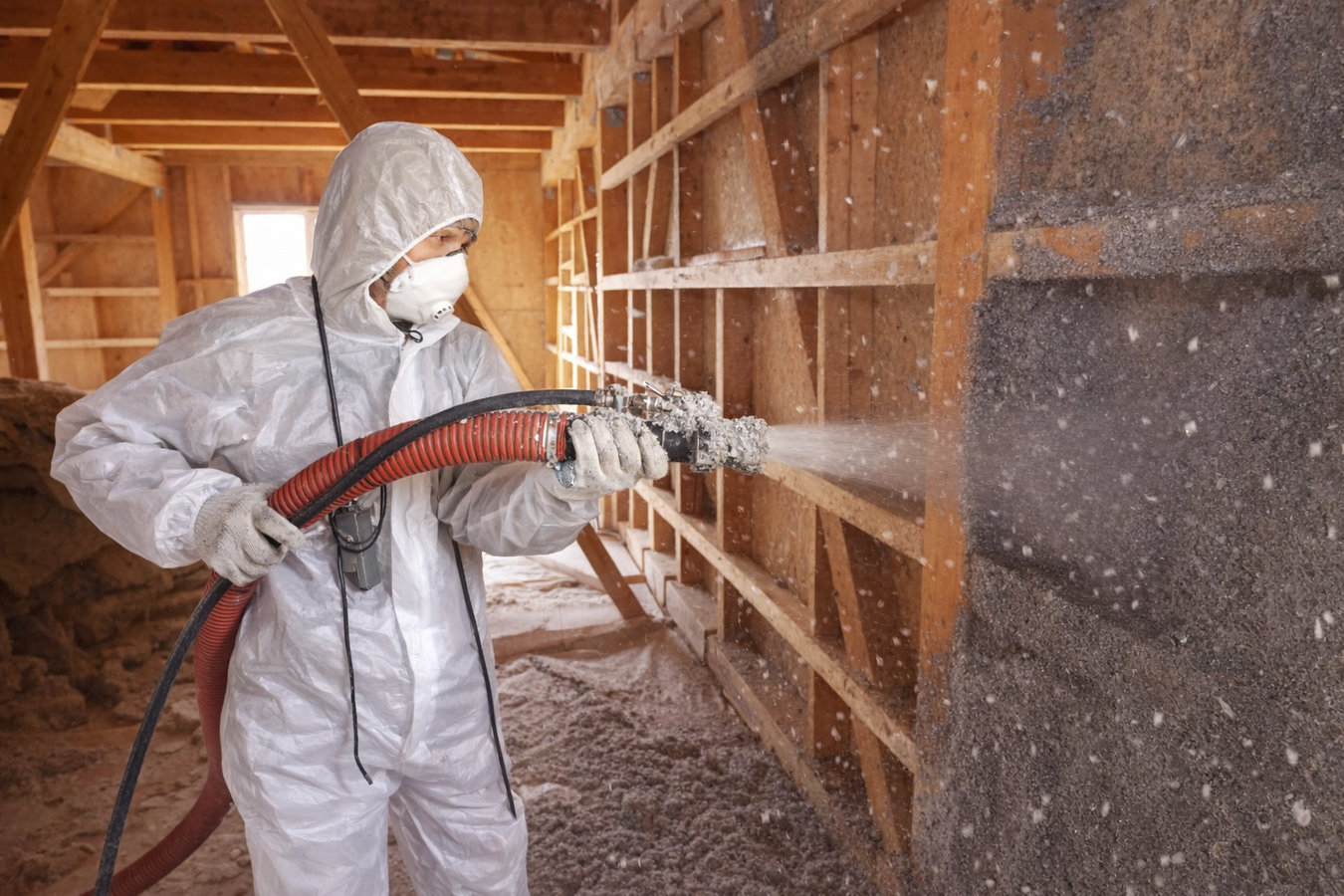
Blown-in loose fill is the fastest way to bring a Red Oak attic up to code depth. It fills around obstructions like HVAC ducts and electrical runs that rigid batts leave exposed, and it can be added on top of existing material in most cases without a full removal. One afternoon of work can meaningfully change how your home performs all summer.
In the standard two-story subdivision homes common throughout Red Oak, gaps around can lights, plumbing penetrations, and attic hatches let conditioned air escape into the attic constantly. Adding insulation without sealing those gaps first is a missed opportunity. Air sealing done before installation gives every R-value dollar a better return.
The attic bypasses - gaps around wiring, plumbing stacks, and recessed fixtures - are invisible from below but measurable in energy waste. Red Oak homes with vaulted ceilings or multi-level floor plans often have more bypass points than single-story homes, and closing them before adding insulation is the step that separates a good job from a great one.
Red Oak sits about 20 miles south of Dallas along I-35E in Ellis County, and it has been one of the faster-growing cities in the county for the past two decades. Most of the homes here were built between 1990 and 2015 during the suburban expansion of the Dallas-Fort Worth metro. Builder-grade insulation packages from that era were code-compliant at the time, but the Department of Energy now recommends significantly higher R-values for attics in this climate zone. That gap between original installation and current recommendations is where most Red Oak homeowners are losing money on their energy bills every summer.
The Blackland Prairie clay soil under Red Oak adds a layer that many contractors overlook. That soil swells when it rains and shrinks hard during summer dry spells, and the movement stresses slab foundations across the city. Over time, small gaps open at the sill plate and around penetrations in the framing above. Those gaps are air pathways that no amount of additional attic insulation will close. The February 2021 winter storm also revealed how poorly many newer suburban homes handled extreme cold when those small gaps were exposed to temperatures well below freezing for days. Insulation and air sealing done together close those vulnerabilities before the next weather event arrives.
Our crew works throughout Red Oak regularly, and we understand the local conditions that affect insulation work here. We see the same builder-grade packages repeated across the city's planned subdivisions - two-story brick-veneer homes on slab foundations with can lights in every room and pull-down attic stairs that are almost always uninsulated. Knowing those patterns before we arrive means our assessments are faster and our recommendations are more precise.
Red Oak has its own identity even as it grows. The neighborhoods spread from the older streets near City Hall and Ovilla Road out to the newer subdivisions that have grown east and west along US Highway 342 and beyond toward Red Oak ISD school campuses. Most of the homes on larger lots at the edges of town are older and have gone longer between energy upgrades than the newer subdivisions closer to I-35E.
We also serve homeowners in nearby Glenn Heights just to the northwest, and in Waxahachie to the south. If you are not sure whether your address falls in our service area, call us and we will confirm same day.
When you call, we ask a few quick questions about your home - age, size, and what has been prompting your concern. We confirm availability and schedule an on-site visit, typically within one business day for Red Oak addresses. No quotes over the phone before we have seen the attic.
We inspect the attic, check current insulation depth, look for air bypasses, and identify any moisture or pest issues that need to be addressed first. The assessment takes 30 to 45 minutes, and you will receive a written estimate that breaks down materials, scope, and total cost before you commit to anything.
On installation day, we seal air gaps first - around can lights, plumbing penetrations, and the attic hatch - then install insulation to the target depth. Most Red Oak attic jobs are finished in two to four hours. You can stay home throughout the work.
Before we leave, we walk you through the finished work - including photos of the attic floor - so you can see exactly what was done. We clean up the work area and leave your home as we found it. Call us if anything feels off after we leave.
Red Oak homeowners get a written estimate, clear scope of work, and a crew that shows up when scheduled. Call us or fill out the form and we will be in touch within one business day.
(469) 881-8137Red Oak is a city in Ellis County, about 20 miles south of Dallas along the I-35E corridor. The population has grown from a few thousand residents in 2000 to over 14,000 today, driven by families looking for affordable home prices and access to the broader Dallas-Fort Worth metro. The city has its own schools through Red Oak City Hall, its own municipal services, and a downtown that functions as the civic core even as new subdivisions push outward in every direction. Most residents commute north to Dallas or to nearby cities like Waxahachie or Midlothian for work.
The housing stock in Red Oak reflects that growth pattern. The older neighborhoods near downtown and Ovilla Road have ranch-style homes and larger lots, some dating to the 1960s and 1970s. Further out, the subdivisions that went up from the 1990s through the 2010s are the dominant building type - brick-veneer construction on slab foundations with standard suburban lot sizes. We also serve homeowners in Midlothian to the west and in Lancaster to the north - two communities with similar housing stock and the same climate challenges as Red Oak.
Creates an airtight seal that dramatically reduces energy loss in your home.
Learn MoreKeeps heat out in summer and warmth in during winter for year-round comfort.
Learn MoreFills gaps and cavities evenly for complete whole-home thermal coverage.
Learn MoreWhole-home insulation solutions that lower energy bills and improve comfort.
Learn MoreSafe removal of old or damaged insulation before new installation begins.
Learn MoreProtects floors and pipes while improving your home energy performance.
Learn MoreReduces heat transfer through exterior walls for a more comfortable interior.
Learn MoreSeals drafts and gaps to stop conditioned air from escaping your home.
Learn MoreControls moisture and temperature in your basement for a healthier home.
Learn MoreHigh-density foam offering superior R-value and moisture resistance.
Learn MoreFlexible, sound-dampening foam ideal for interior walls and ceilings.
Learn MoreEnergy-efficient insulation solutions for commercial and industrial buildings.
Learn MoreBlocks ground moisture from entering your crawl space and damaging your home.
Learn MoreProfessional vapor barrier installation to prevent moisture and mold problems.
Learn MoreAdds insulation to existing walls and spaces without major renovation work.
Learn MoreCall Advanced Ennis Insulation today or submit a contact form and we will respond within one business day.