
Loading...
Serving Ennis, TX and surrounding areas. (469) 881-8137
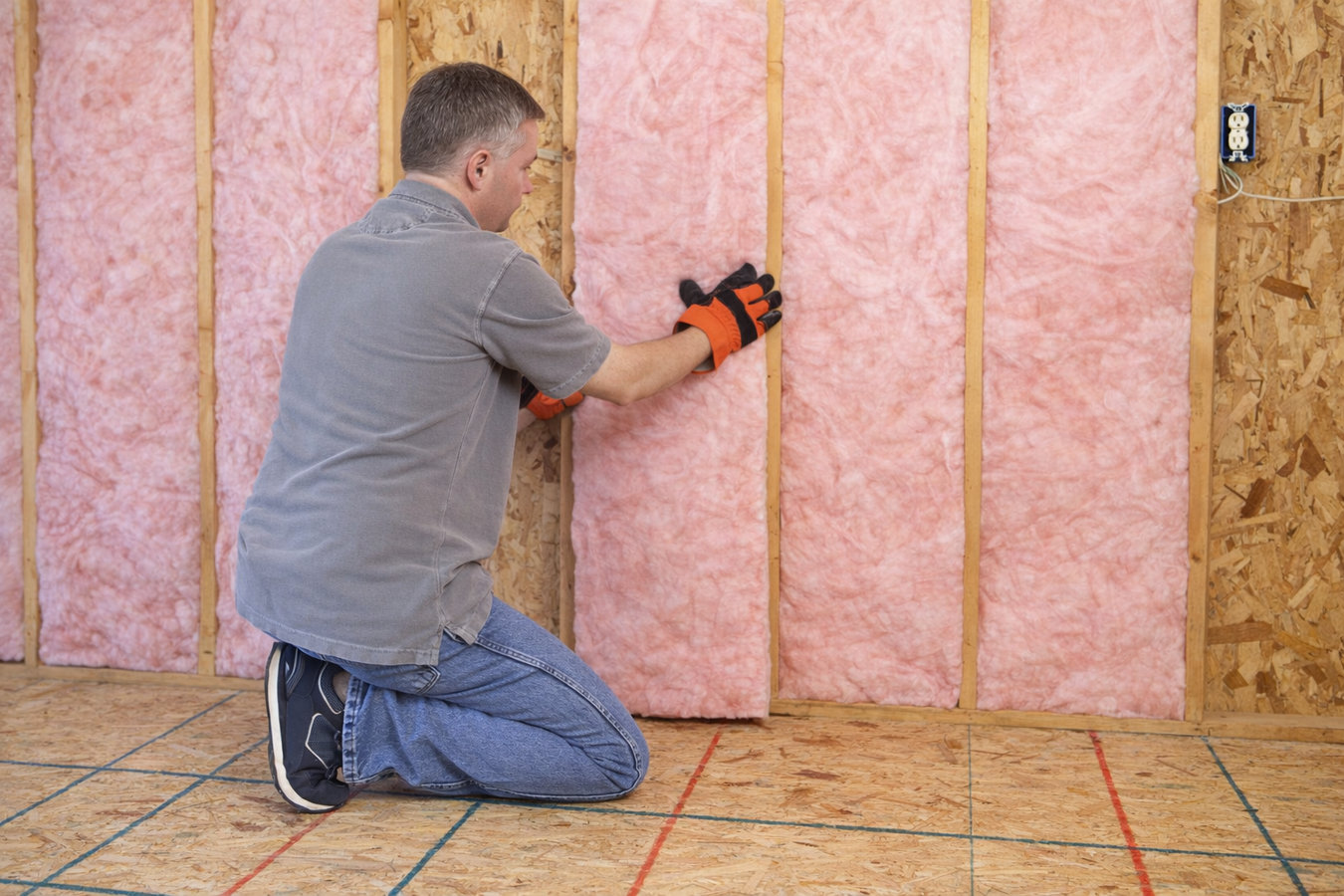
Advanced Ennis Insulation serves Cedar Hill homeowners with wall insulation, attic insulation, spray foam, and air sealing - matched to the hilly terrain, brick veneer homes, and clay soil that define this southwestern Dallas County community, with crews responding within one business day of your first call.
Cedar Hill sits on the Escarpment ridge - a limestone formation that gives the city its distinctive hills and views but also brings specific drainage and clay soil challenges. Most homes here were built between 1980 and 2005 on brick veneer framing, and the insulation needs reflect that age and construction type.
Brick veneer homes in Cedar Hill look solid from the outside, but many were built with minimal insulation in the wall cavity behind the brick layer. That gap between brick and framing does nothing to slow heat in or out - the thermal work has to happen in the cavity itself. Properly filling those cavities with blown-in or spray foam material can make a measurable difference in comfort on rooms that face west in the afternoon heat. Learn more about our wall insulation services.
Cedar Hill attics can reach extreme temperatures during July and August, and a ceiling with inadequate insulation transfers that heat directly into living spaces below. Homes from the 1980s and 1990s were built to energy codes that now fall well short of Department of Energy recommendations for this climate zone. Bringing the attic floor up to current R-value standards is the single highest-return insulation investment for most Cedar Hill homeowners.
Cedar Hill's Escarpment terrain means some homes have unique framing and grade transitions that create air infiltration points that standard batts or loose fill cannot address. Spray foam expands to fill irregular gaps at sill plates, rim joists, and around penetrations where the framing meets the foundation. It also acts as a vapor retarder in one step, which matters in the humid summers this area sees.
Blown-in cellulose or fiberglass is the most efficient way to bring a Cedar Hill attic up to recommended depth in a single visit. It flows around HVAC ducts, wiring runs, and other obstructions that rigid batts leave unsealed. For most homes with accessible attics, it can be installed over existing material, which keeps project time and cost down.
Cedar Hill homes from the 1980s and 1990s almost always have open gaps around recessed light canisters, top plates, and attic hatches that were never sealed at the time of construction. Those bypasses let conditioned air pour into the attic continuously. Air sealing those points before new insulation goes in is the step that determines whether an insulation upgrade actually delivers the savings it should.
Retrofitting insulation into an occupied Cedar Hill home requires working around finished ceilings, existing HVAC systems, and brick exteriors without creating a construction project. We use methods that add what is missing - blown-in for attic floors, dense-pack for wall cavities through small access holes, and spray foam for targeted gaps - while the family stays in the house.
Cedar Hill is a city of about 48,000 people in southwestern Dallas County, sitting roughly 20 miles southwest of downtown Dallas along the Escarpment - a natural limestone ridge that gives the city its hills, its state park, and its views of Joe Pool Lake. Most of the city's single-family homes were built between 1980 and 2005, putting the bulk of the housing stock in the 20-to-45-year-old range. Those homes were insulated to code standards that are now significantly below what the Department of Energy recommends for Climate Zone 3, which covers this part of Texas. Cedar Hill summers are long and punishing - temperatures regularly reach 95 to 100 degrees from June through August - and an attic insulated to 1990 standards cannot keep up with that kind of sustained heat load.
The Escarpment terrain also creates drainage and soil conditions that set Cedar Hill apart from flatter parts of the Dallas suburbs. Expansive clay soil covers most of the area - the same type that swells after rain and cracks and pulls back during dry summers. That seasonal movement stresses slab foundations, opens gaps at sill plates, and can shift brick veneer over time. When those gaps open, they create direct air pathways between the outside and the living space, and no amount of insulation material on top will fix a bypass that was never sealed. Spring storms in this area also bring serious hail, and roof damage that lets water into the attic insulation layer can compromise performance for years if it goes undetected.
Our crew works throughout Cedar Hill regularly, and we understand the local conditions that affect insulation work here. The brick veneer homes that make up most of this city have a pattern we see consistently: fiberglass batts in the attic floor that have settled and compressed over two or three decades, recessed lights that were never air-sealed at the top, and wall cavities in west-facing rooms that get little insulation coverage because the original builders used batts that were not cut precisely around obstructions. Addressing all three of those issues in sequence - seal first, then add material - is how a job in Cedar Hill actually delivers the comfort improvement a homeowner expects.
Cedar Hill is served by US-67, which runs through the city toward Dallas to the northeast. The area around Cedar Hill State Park on the shores of Joe Pool Lake is one of the most recognizable features of the city - and the neighborhoods adjacent to the park tend to have more mature landscaping, older homes, and more pronounced lot slopes than subdivisions closer to Highway 67. We work across all of Cedar Hill, from the older sections near historic downtown to the newer subdivisions on the south and east edges of the city.
We also serve the neighboring community of DeSoto, TX, which borders Cedar Hill to the northeast and has a similar mix of brick suburban homes from the 1980s and 1990s. Homeowners in either city can expect the same assessment process, the same clear written estimate, and the same one-business-day response time.
Contact us by phone or through the estimate form on this site. We reply to all Cedar Hill inquiries within one business day and typically have scheduling availability within the same week.
We visit the home, inspect the attic, walls, and any crawl space or slab edge areas, and provide a written estimate that specifies material type, coverage depth, and final R-value. There is no obligation, and the assessment is free - no pressure to decide on the spot.
Before any new insulation material goes in, we seal air bypasses around can lights, top plates, attic hatches, and penetrations. This step is what separates an insulation job that performs as expected from one that disappoints - and it is included in every full attic upgrade we do.
Most Cedar Hill attic jobs are completed in a single visit of two to five hours. We protect interior spaces from dust and debris, clean up after the work, and walk you through what was done and what R-value was achieved before we leave.
Cedar Hill homeowners can reach us by phone or submit the form below. We respond within one business day and schedule on your timeline - no pressure, no obligation.
(469) 881-8137Cedar Hill is a city of about 48,000 residents in southwestern Dallas County, situated along the Escarpment - a limestone ridge that runs through this part of North Texas and gives Cedar Hill its elevation changes, its views, and the land that became one of the most visited state parks in Texas. The city has grown steadily since the 1980s and now includes a mix of established neighborhoods near its historic downtown core on US-67, newer subdivisions on the south and east edges, and commercial development along the main corridors. Joe Pool Lake borders the city to the west and is a reference point nearly every resident knows.
The housing stock reflects decades of growth - older homes near the historic downtown date to the 1970s and early 1980s, while newer subdivisions on the city's outer edges were built through the 2000s. Most homes are single-family brick veneer on slab foundations on lots ranging from a quarter to a half acre, many with noticeable slope to the yard given the terrain. The hilly character that makes Cedar Hill distinctive also means drainage and grade conditions vary more across the city than in flatter suburbs. Homeowners near Duncanville, TX to the north and Mansfield, TX to the west will find we serve those communities as well.
Creates an airtight seal that dramatically reduces energy loss in your home.
Learn MoreKeeps heat out in summer and warmth in during winter for year-round comfort.
Learn MoreFills gaps and cavities evenly for complete whole-home thermal coverage.
Learn MoreWhole-home insulation solutions that lower energy bills and improve comfort.
Learn MoreSafe removal of old or damaged insulation before new installation begins.
Learn MoreProtects floors and pipes while improving your home energy performance.
Learn MoreReduces heat transfer through exterior walls for a more comfortable interior.
Learn MoreSeals drafts and gaps to stop conditioned air from escaping your home.
Learn MoreControls moisture and temperature in your basement for a healthier home.
Learn MoreHigh-density foam offering superior R-value and moisture resistance.
Learn MoreFlexible, sound-dampening foam ideal for interior walls and ceilings.
Learn MoreEnergy-efficient insulation solutions for commercial and industrial buildings.
Learn MoreBlocks ground moisture from entering your crawl space and damaging your home.
Learn MoreProfessional vapor barrier installation to prevent moisture and mold problems.
Learn MoreAdds insulation to existing walls and spaces without major renovation work.
Learn MoreCall us today or submit a free estimate request - we serve Cedar Hill homeowners from the Escarpment ridge to the city's newest neighborhoods, and we respond within one business day.