
Loading...
Serving Ennis, TX and surrounding areas. (469) 881-8137
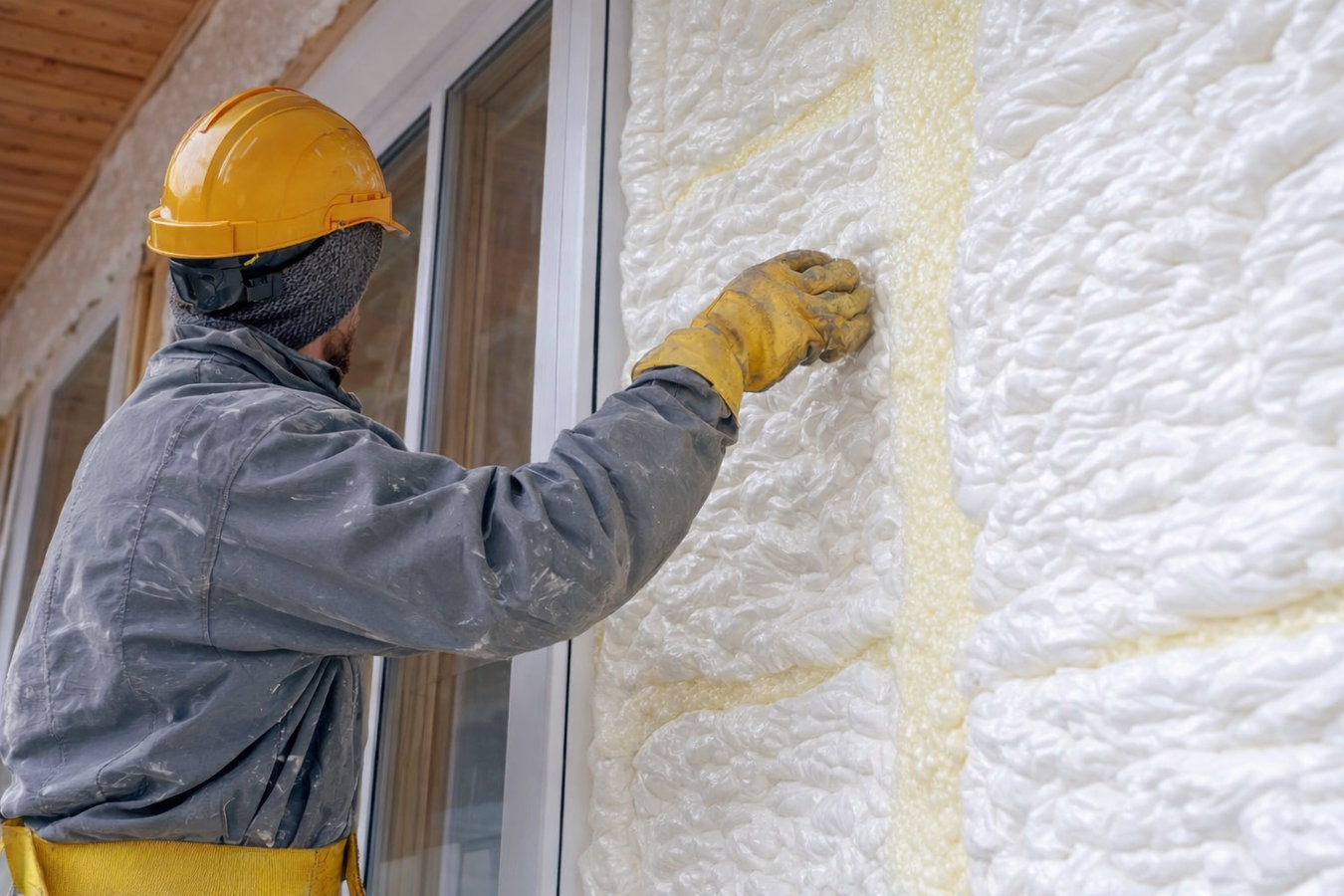
Advanced Ennis Insulation serves DeSoto homeowners and businesses with commercial insulation, attic insulation, and spray foam services - matched to the brick suburban homes and expansive clay soil that define this fully built-out Dallas County community, with crews serving this area since 2019.
Most DeSoto homes were built between the 1970s and 1990s on slab foundations with brick veneer exteriors. That combination - aging insulation, shifting clay soil, and commercial corridors mixed with residential streets - creates a specific set of needs that generic contractors often miss.
DeSoto has a mix of residential neighborhoods and commercial corridors along Belt Line Road and other major routes. Older commercial buildings in this area were often built before modern energy efficiency standards, and under-insulated commercial spaces pay for it every summer on the electric bill. We work on retail, warehouse, and light commercial properties throughout DeSoto with spray foam, blown-in, and rigid board systems. Learn more about our commercial insulation services.
DeSoto summers push temperatures past 95 degrees for months at a time, and an attic sitting above an under-insulated ceiling can reach 140 to 150 degrees by mid-afternoon. That heat radiates straight down through the ceiling and forces your air conditioner to run nearly non-stop. Homes from the 1980s and 1990s are particularly exposed - the builder-grade insulation from that era has likely settled below effective performance levels by now.
The black clay soil under DeSoto swells when it rains and pulls back during dry summers, and that movement gradually opens gaps between the slab edge and the wood framing above it. Spray foam is the only product that seals those irregular gaps and insulates in the same step - it expands to fill spaces that batt or loose-fill material simply cannot reach. For brick veneer homes with shifting foundations, that makes a real difference.
Blown-in loose fill is the most practical way to bring a DeSoto attic up to recommended depth in a single visit. It fills evenly around HVAC ducts, electrical wiring, and other obstructions that rigid batts bridge over rather than seal around. In most cases it can be added directly on top of existing material, which keeps the project cost down and the schedule short.
DeSoto homes from the 1970s through 1990s commonly have open gaps around recessed light fixtures, plumbing penetrations, and attic hatches that were never addressed at the time of construction. Those openings let conditioned air pour into the attic all day. Sealing those bypasses before new insulation goes in is the difference between an insulation job that performs as expected and one that disappoints.
Retrofitting an established DeSoto home means adding what is missing without tearing anything open. Blown-in material fills attic cavities through the hatch, dense-pack fills wall cavities through small drilled holes that are patched cleanly, and spray foam handles gaps and rim joist areas. The home stays livable throughout the process and performs noticeably better once it is done.
DeSoto is a fully built-out suburb of about 57,000 people in Dallas County, 15 miles south of downtown Dallas. The bulk of the city's single-family homes went up during the suburban expansion of the 1970s, 1980s, and 1990s - making most of the housing stock 30 to 50 years old. Homes from that era were insulated to code standards that are now well below what the Department of Energy recommends for a North Texas climate. Summer heat in DeSoto routinely pushes past 95 degrees from June through September, and an attic insulated to 1985 standards forces a modern air conditioner to work against it all day. The cost shows up every month on the electricity bill.
The expansive clay soil that covers DeSoto and most of Dallas County compounds the problem. That soil absorbs moisture and swells during wet periods, then cracks and shrinks during summer droughts - the cycle that causes the cracked driveways and sticking doors that are common throughout the area. On slab foundations, that movement gradually opens small gaps at the sill plate and around penetrations in the framing above. Those gaps are invisible from inside the house but let outside air move freely into the living space. The February 2021 winter storm made clear how quickly that can become a serious problem - homes with under-insulated attics and open air gaps lost heat far faster than they should have when temperatures dropped hard and stayed there for days.
Our crew works throughout DeSoto regularly, and we understand the local conditions that affect insulation work here. The 1980s brick veneer homes that make up most of this city have a familiar pattern: thin fiberglass batts in the attic floor that have settled over the decades, can lights that were never air-sealed, and pull-down attic stairs with no weather stripping. We have worked on enough DeSoto homes to know what to look for before we even open the attic hatch.
DeSoto has a clear community character built around strong school pride - the DeSoto ISD athletic programs are known across the Dallas area - and the neighborhoods around those school campuses are where many of the city's established families have owned homes for 20 or 30 years. The commercial activity is concentrated near DeSoto Town Center along Belt Line Road, and the residential neighborhoods spread east and south from there. Newer subdivisions near the southern edge of the city have younger homes but face the same clay soil challenges as the older stock.
We also serve neighbors in adjacent cities. Homeowners in Duncanville to the northwest and Cedar Hill to the west deal with essentially the same clay soil conditions and similar housing ages. If you have a neighbor in either of those cities who needs insulation help, we cover those areas too.
Reach us by phone or through the contact form. We respond within 1 business day and ask a few brief questions - your home's age, approximate square footage, and any comfort problems you have noticed. That information helps us arrive prepared rather than starting the assessment cold.
We walk through your home and spend time in the attic checking current depth, distribution, and condition of existing insulation. We also look at the slab edge and framing for air gaps common in DeSoto's clay soil environment. You receive a written estimate with scope of work and final R-value before anything is agreed to. No charge for the visit.
For most DeSoto homes, the crew arrives in the morning and wraps up the same day. Air sealing comes first - we close gaps around light fixtures, plumbing stacks, and the attic hatch before new material goes in. Then the attic is brought to the agreed depth. The work is complete by afternoon and the house is usable the same evening.
Before we leave, we walk you through what was completed - including photos from inside the attic. You receive any documentation needed for a rebate or federal tax credit claim. If something does not feel right in the weeks after the job, call us and we come back to make it right.
We serve DeSoto, TX with free on-site estimates, written quotes before any work begins, and crews that show up on time. Call or request online - we reply within 1 business day.
(469) 881-8137DeSoto is a city of about 57,000 people in Dallas County, positioned about 15 miles south of downtown Dallas along Interstate 35E. The city developed primarily during the 1970s, 1980s, and 1990s, and today it is a fully built-out suburb where most residents own single-family homes on mid-size suburban lots. The housing stock reflects that era: brick veneer exteriors, slab foundations, attached garages, and wood privacy fences. Neighborhoods near Thorntree Country Club on the west side of the city have a more established, wooded character, while newer subdivisions near the southern and eastern edges of the city have younger homes that still face the same clay soil challenges as the older stock. The city is connected to the rest of the metro by I-35E, making it an easy drive to Dallas and surrounding communities.
The commercial center of DeSoto is concentrated along Belt Line Road near DeSoto Town Center, while residential neighborhoods fill in around it. The city sits between Cedar Hill to the west - a city with similar housing age and the added complexity of hillier terrain - and Lancaster to the east, where the ranch-style homes and clay soil conditions are nearly identical. We serve all three cities and understand how the conditions carry from one to the next across this stretch of Dallas County.
Creates an airtight seal that dramatically reduces energy loss in your home.
Learn MoreKeeps heat out in summer and warmth in during winter for year-round comfort.
Learn MoreFills gaps and cavities evenly for complete whole-home thermal coverage.
Learn MoreWhole-home insulation solutions that lower energy bills and improve comfort.
Learn MoreSafe removal of old or damaged insulation before new installation begins.
Learn MoreProtects floors and pipes while improving your home energy performance.
Learn MoreReduces heat transfer through exterior walls for a more comfortable interior.
Learn MoreSeals drafts and gaps to stop conditioned air from escaping your home.
Learn MoreControls moisture and temperature in your basement for a healthier home.
Learn MoreHigh-density foam offering superior R-value and moisture resistance.
Learn MoreFlexible, sound-dampening foam ideal for interior walls and ceilings.
Learn MoreEnergy-efficient insulation solutions for commercial and industrial buildings.
Learn MoreBlocks ground moisture from entering your crawl space and damaging your home.
Learn MoreProfessional vapor barrier installation to prevent moisture and mold problems.
Learn MoreAdds insulation to existing walls and spaces without major renovation work.
Learn MoreFrom established neighborhoods near Thorntree to newer subdivisions on the south side, we know DeSoto homes and arrive ready to solve the problem.