Loading...
Serving Ennis, TX and surrounding areas. (469) 881-8137
Advanced Ennis Insulation serves Lancaster homeowners with retrofit insulation, attic insulation, and spray foam services - matched to the brick ranch homes and expansive clay soil conditions that define this Dallas County community, with crews serving this area since 2019.
Most Lancaster homes were built between the 1970s and early 2000s. They are single-story, slab-on-grade, and brick-clad - which means aging insulation, shifting slab edges, and wide attic spaces are the defining challenges for homeowners here.
A large share of Lancaster homes were built in the 1970s through 1990s, when insulation standards were far lower than they are today. Retrofitting means adding the right material to an existing home without a gut renovation - blown-in material goes into the attic through the hatch, spray foam seals gaps at the sill plate, and the home performs meaningfully better by the end of the same day. Learn more about our retrofit insulation services.
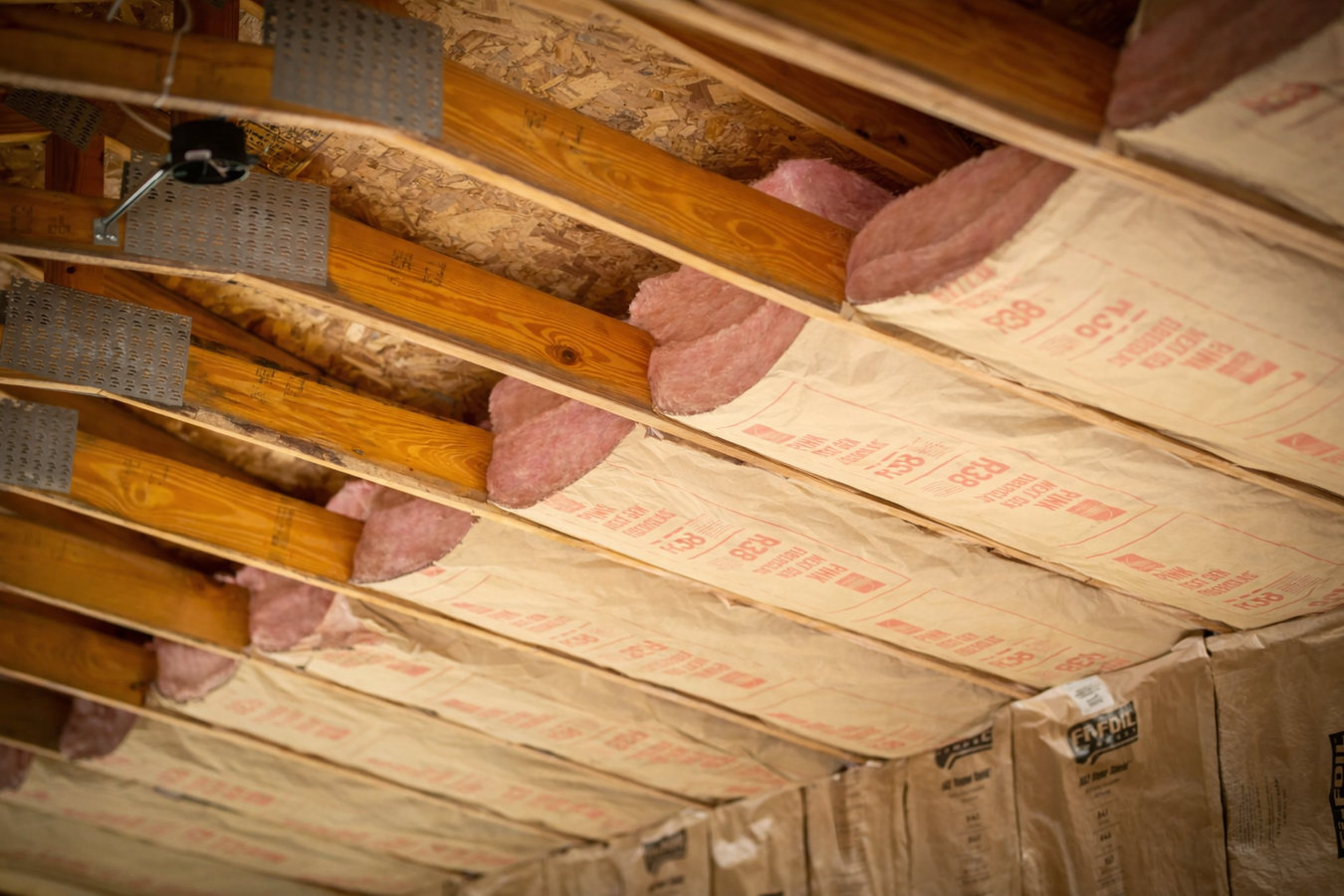
Lancaster ranch homes have wide, low-pitch attics that soak up heat all summer and lose warmth all winter. When an attic is under-insulated, that heat radiates straight down through the ceiling and forces the air conditioner to run nearly non-stop from June through September. Adding material to the correct depth - R-38 at minimum for this climate zone - is the single highest-return upgrade most Lancaster homeowners can make.
The black clay soil under Lancaster never really sits still. It swells when it rains and shrinks during dry summers, and that movement gradually opens gaps between the slab edge and the framing above. Spray foam is the only insulation product that seals and insulates in a single pass - it expands to fill irregular gaps that no batt or loose-fill product can reach. For slab homes with shifting foundations, that difference matters.
Blown-in loose fill is the most efficient way to bring a Lancaster attic up to recommended depth quickly. It fills around HVAC ducts, wiring runs, and obstructions that rigid batts leave uncovered, and it can be added on top of existing material in most cases. A morning of work can change how your home handles a Texas summer afternoon.
Older Lancaster homes often have gaps around can lights, plumbing penetrations, and pull-down attic stairs that were never sealed from the factory. Those openings let conditioned air escape into the attic constantly - and no amount of added insulation makes up for that loss. Sealing the bypasses before installing new material is the step that turns a routine upgrade into a real improvement.
Some Lancaster attics still have the original fiberglass batts from the 1970s or 1980s - material that has settled, shifted, and in some cases been damaged by moisture from roof leaks or animal intrusion. Adding new insulation on top of compromised material does not solve the problem. Removing the old material first gives the new installation a clean surface and ensures you get the performance you are paying for.
Lancaster sits about 15 miles south of downtown Dallas in Dallas County, and most of the city's housing stock was built between the 1970s and early 2000s. Single-story brick ranch homes on slab foundations dominate the landscape. Those homes were built to code at the time, but insulation standards from that era fall well short of what the Department of Energy recommends for a North Texas climate today. Summer temperatures in Lancaster regularly climb above 100 degrees, and an attic that was insulated to 1980s standards is working against a modern air conditioner every afternoon from June through August.
The expansive clay soil that covers most of Dallas County adds a layer of complexity that many contractors skip over. That soil swells with rain and shrinks with heat, and over time that movement stresses the slab and opens small gaps at the sill plate and around framing penetrations. Those air pathways let outside heat and humidity into the living space during summer and cold air in during winter freezes. The February 2021 winter storm showed just how vulnerable under-insulated homes in this area are when temperatures drop hard and stay there for days. Insulation and air sealing done together close those vulnerabilities before the next weather event arrives.
Our crew works throughout Lancaster regularly, and we understand the local conditions that affect insulation work here. The wide, flat attics on Lancaster ranch homes cover a lot of square footage and often have pull-down stairs that were never weather-stripped - meaning there is a gap between the conditioned space and the attic every time someone opens them. We address those details alongside the main insulation work, not as an afterthought.
Lancaster has a clear identity on the south side of the Dallas metro. The older neighborhoods cluster near the Lancaster Historic Town Square and spread out along I-35E toward the warehouse corridors to the north and east. Neighborhoods near Lancaster ISD school campuses tend to have slightly newer builds, while the homes along the older streets closer to the town center are the ones most likely to have the original 1970s insulation still in place. Both situations are ones we handle every week.
We also serve neighbors to Lancaster's north and west. Homeowners in Mansfield and Duncanville deal with similar clay soil conditions and similarly aged housing stock, so if you know someone in either of those cities looking for insulation help, we cover that territory too.
Reach us by phone or through the contact form. We reply within 1 business day and ask a few questions about your home - age, square footage, and any comfort problems you have noticed - so we arrive prepared. You do not need to do anything before we get there.
We walk through your home, check the attic, and look at the slab edge and framing for air gaps. The assessment takes 30 to 60 minutes. You get a written estimate with the scope of work and the R-value you will end up with - before anything is agreed to. No pressure, no upsell.
For most Lancaster homes, the crew arrives in the morning and finishes the same day. Air sealing comes first - gaps around light fixtures, plumbing penetrations, and the attic hatch are closed before any new material goes in. Then we bring the attic to the agreed depth and remove all equipment when done.
Before we leave, we walk you through what was done - including photos from inside the attic if you prefer not to go up yourself. You receive any paperwork needed for a rebate or federal tax credit claim. If you notice a comfort issue in the weeks after, call us and we come back.
We serve Lancaster, TX homeowners with free on-site estimates, no pressure sales, and crews that show up when scheduled. Call or request online - we reply within 1 business day.
(469) 881-8137Lancaster is a city of roughly 40,000 people in Dallas County, positioned about 15 miles south of downtown Dallas along Interstate 35E. The city grew steadily through the suburban expansion of the 1970s, 1980s, and 1990s, and the housing stock from that era is now approaching the age where original insulation, roofing, and HVAC systems are all due for a close look. Neighborhoods range from older, established streets near the Lancaster Historic Town Square to newer subdivisions that went up on the city edges in the 2000s. The dominant housing type is the single-story brick ranch on a slab foundation - wide, owner-occupied homes where families have put down roots and have a direct financial reason to keep the property in good shape.
The city is well connected to the rest of the metro by I-35E and I-20 to the north, and many residents commute to Dallas, DeSoto, and surrounding cities. Bear Creek Park is a well-used green space that gives the community a neighborhood character that goes beyond the highway corridors. Lancaster borders DeSoto to the west, where the housing stock and clay soil challenges are similar, and Glenn Heights to the south, a smaller community with its own mix of established homes and newer builds. We serve all of those neighboring areas and understand how conditions carry across city lines in this part of Dallas County.
Creates an airtight seal that dramatically reduces energy loss in your home.
Learn MoreKeeps heat out in summer and warmth in during winter for year-round comfort.
Learn MoreFills gaps and cavities evenly for complete whole-home thermal coverage.
Learn MoreWhole-home insulation solutions that lower energy bills and improve comfort.
Learn MoreSafe removal of old or damaged insulation before new installation begins.
Learn MoreProtects floors and pipes while improving your home energy performance.
Learn MoreReduces heat transfer through exterior walls for a more comfortable interior.
Learn MoreSeals drafts and gaps to stop conditioned air from escaping your home.
Learn MoreControls moisture and temperature in your basement for a healthier home.
Learn MoreHigh-density foam offering superior R-value and moisture resistance.
Learn MoreFlexible, sound-dampening foam ideal for interior walls and ceilings.
Learn MoreEnergy-efficient insulation solutions for commercial and industrial buildings.
Learn MoreBlocks ground moisture from entering your crawl space and damaging your home.
Learn MoreProfessional vapor barrier installation to prevent moisture and mold problems.
Learn MoreAdds insulation to existing walls and spaces without major renovation work.
Learn MoreFrom older brick ranches near the town square to newer builds on the city's edge, we know Lancaster homes and show up ready to solve the problem.