Loading...
Serving Ennis, TX and surrounding areas. (469) 881-8137
If your attic is under-insulated, your air conditioner is fighting your own ceiling all summer. The fix is straightforward - and the difference shows up on your energy bill fast.
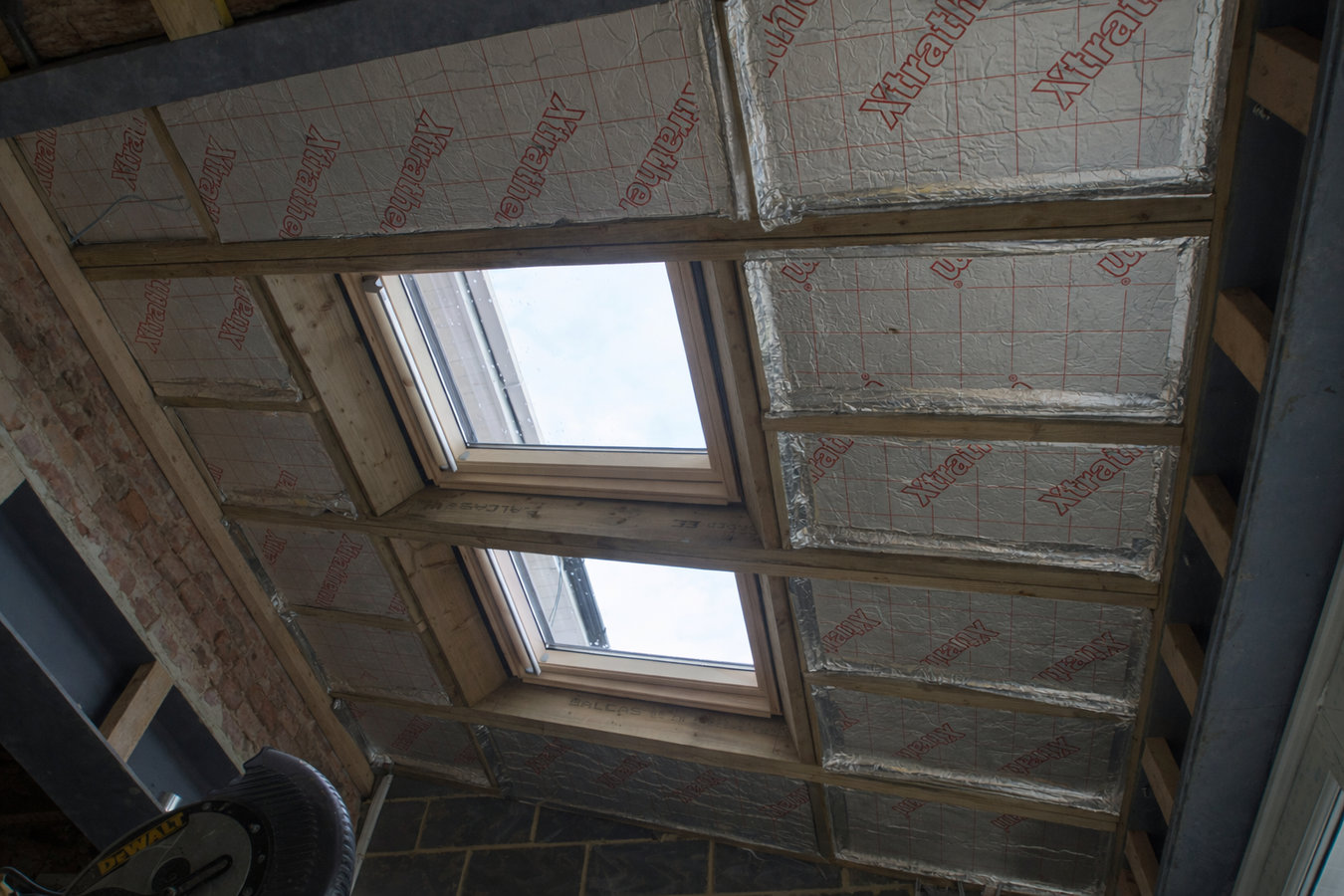
Attic insulation in Ennis, TX acts as a barrier between your living space and the extreme heat that builds up above your ceiling in summer - most single-family homes can be fully insulated in a single day, with no need to leave the house during the work. When your attic lacks adequate coverage, your air conditioner runs almost nonstop trying to offset the heat radiating through the ceiling, and that shows up directly on your monthly Oncor bill from May through September. Homes built before 2000 are especially likely to be under-insulated by today's standards, and even a modest upgrade can make a noticeable difference in both comfort and cost.
Unlike spray foam, which bonds directly to surfaces, attic insulation is typically installed as blown-in loose-fill material that fills every gap and corner evenly. Before adding new insulation, a good contractor will seal gaps around pipes, wires, and light fixtures in the attic floor - a step that makes the insulation far more effective. If you also want to address air movement at the attic level specifically, pairing insulation with attic air sealing is the most thorough approach.
If your cooling costs jump dramatically from May through September - especially if your bill is noticeably higher than neighbors in similar-sized homes - your attic insulation may be letting heat pour into your living space. In Ennis, where temperatures regularly exceed 100 degrees, a poorly insulated attic forces your air conditioner to run almost nonstop, and that shows up fast on your monthly statement.
If the bedrooms at the back of your house or rooms directly under the roofline stay stuffy and warm even when the rest of the house feels fine, heat is likely radiating through the ceiling from an under-insulated attic. This is one of the most common complaints from Ennis homeowners in older neighborhoods, and it is almost always fixable with an insulation upgrade.
If you peek into your attic and can clearly see the tops of the wooden beams running across the floor, your insulation level is too low. Those beams should be buried under insulation - if they are visible, you do not have enough coverage to meet current recommendations for this part of Texas.
Homes built in Ennis before 1990 were typically insulated to standards that are now considered inadequate for this climate. If you have never had the attic checked or topped off, there is a strong chance you are working with insulation that has settled, compressed, or degraded over the decades - and that is costing you money every month.
We install blown-in insulation for attics of all sizes, from a simple top-off of existing material to a full removal-and-replacement when the old insulation is wet, pest-damaged, or too compressed to function properly. For homeowners who want maximum performance from the roof deck down, we also install spray foam on the underside of the roof deck - a closed-rafter approach that creates a fully conditioned attic space. Every job begins with an assessment of what is already in place, so you know exactly what you are getting and why.
Before any new insulation goes in, we address the attic floor - sealing gaps around pipes, wires, light fixtures, and attic hatches. These small openings let conditioned air escape and hot air sneak in, and skipping this step reduces how well the insulation performs. Pairing attic insulation with attic air sealing is the most thorough way to address both the thermal and air-movement issues that drive up cooling costs in Ennis homes.
The most common and cost-effective method for topping off an existing attic or filling a freshly cleared space - fast to install and effective at reaching every corner.
For attics with wet, pest-damaged, or severely compressed insulation that needs to come out before new material can go in.
Creates a fully conditioned attic space by sealing and insulating the underside of the roof deck - best for homes looking for maximum performance.
Closes the gaps around pipes, wires, and fixtures before insulation is added - a step that significantly improves how well the insulation performs.
Ennis sits in North Central Texas in Ellis County, where summer temperatures regularly climb above 100 degrees and attics can reach 150 degrees or more on a July afternoon. If your insulation is thin, old, or settled, that heat radiates straight down into your living space and forces your air conditioner to run almost constantly. A significant portion of Ennis's residential neighborhoods were built in the 1960s through 1990s, when insulation standards were much lower than today - if your home was built before 2000 and has never had an upgrade, there is a good chance you are losing money through your ceiling every summer. The U.S. Department of Energy's guidance on recommended insulation levels by climate zone is a helpful reference for understanding what is appropriate for this part of Texas.
North Texas also brings high humidity and periodic heavy rain events, including wind-driven rain that can reach attic vents or penetrations around the roofline. Wet insulation loses most of its effectiveness and can become a source of mold. Homeowners in Waxahachie and Corsicana deal with the same climate conditions, and we check for signs of moisture intrusion during every attic assessment before recommending the right approach. Getting the attic assessment done right the first time - before adding insulation over a moisture problem - is what separates a lasting fix from one that fails within a few years.
We respond within 1 business day. We will ask a few basic questions - your home's size, how old it is, and any comfort problems you have noticed - then schedule a visit to look at your attic in person.
We go up into your attic through the hatch and check how much insulation is already there, whether it is in good condition, and whether there are gaps around pipes or fixtures that need sealing first. This visit typically takes 20 to 30 minutes.
After the assessment, you get a written estimate that spells out exactly what work will be done, what materials will be used, and the total cost. We do not pressure you to decide on the spot - compare estimates if you want to.
On the day of the job, the crew seals attic floor gaps first, then installs insulation to the correct depth. For most Ennis homes, this takes four to six hours. You can stay home the entire time. Before we leave, we walk you through the finished work.
We respond within 1 business day - no obligation, no pressure. After you submit, someone from our office will call to schedule a free on-site attic assessment so we can see exactly what you have before giving you a price.
(469) 881-8137We are a locally owned insulation contractor based in Ennis. Every project starts with a free written estimate and gets documented from start to finish, so you know exactly what was done. We are not a franchise or an out-of-area company routing calls through a call center.
We know the housing stock in Ennis - the older ranch-style homes near downtown, the 1970s and 1980s brick houses in the middle of town, and the newer subdivisions on the edges. That familiarity with local construction styles and the clay soil conditions here changes how we approach each attic assessment.
We check for moisture intrusion during every attic assessment before recommending any insulation work - because adding insulation over a moisture problem just traps the issue and makes it worse. The North American Insulation Manufacturers Association's installation guidelines, available at naima.org, set the standard we follow.
We never quote a price over the phone without seeing your attic. Every estimate comes after a real assessment - because the condition of your existing insulation, the depth of the attic, and any moisture or pest issues all affect both the scope and the cost. You deserve an honest number, not a guess.
Every one of these points comes down to one thing: you should know exactly what you are getting before any work begins. That starts with a real attic assessment, a written estimate, and an attic insulation company that is reachable after the job is done.
Loose-fill blown-in insulation is the most common method for topping off an existing attic - fast to install and effective at filling every gap.
Learn MoreAir sealing closes the gaps around pipes, wires, and fixtures in your attic floor before insulation goes in - making every dollar of insulation work harder.
Learn MoreEvery week you wait is another week your air conditioner fights your ceiling - call Advanced Ennis Insulation today and we will schedule your free attic assessment within 1 business day.