Loading...
Serving Ennis, TX and surrounding areas. (469) 881-8137
Uninsulated basements drive up energy bills and make floors cold in winter. We fix that with proven materials and a clean, efficient installation.
Basement insulation in Ennis creates a thermal barrier that slows heat movement between your basement and the living areas above, with most projects completed in one to two days for an average-sized home.
If your floors feel cold in winter or your cooling bills spike every summer, the basement is often where the problem starts. Homes across Ennis built before the 1980s frequently have little to no insulation down there, and what exists may have deteriorated over the years. Basement insulation paired with proper air sealing makes a noticeable difference in comfort and energy costs. It works well alongside closed-cell foam insulation for homes that need a high-performance moisture barrier at the same time.
The U.S. Department of Energy provides guidance on recommended insulation levels for Texas homes at energy.gov. If your home is more than 40 years old and the basement has never been assessed, there is a good chance improvements will pay off quickly.
If rooms directly above your basement feel noticeably cold during Ennis winter cold snaps, that is a strong sign the basement ceiling has little or no insulation. Heat rises, but cold air from below can make a room feel uncomfortable even when your thermostat says it should be warm. This is one of the most common complaints homeowners notice before they realize insulation is the fix.
Ennis summers are long and hot, and if your cooling costs seem unusually high compared to homes of similar size, an uninsulated or under-insulated basement could be part of the reason. When the basement is not properly sealed and insulated, your air conditioner works harder to compensate for the heat and humidity pushing in from below. If bills have been climbing year over year without a clear explanation, a basement assessment is worth your time.
Ennis sits on heavy clay soil, and humid summers create conditions where moisture can work its way into basement spaces. If you smell something musty when you go downstairs, or if you see water droplets forming on walls or pipes during warm months, warm humid air is meeting cooler surfaces. Proper insulation and air sealing can help address this, but moisture issues should be resolved before insulation goes in.
If you notice cool air moving along the floor in rooms above the basement, or you can feel a draft near the base of interior walls, air is likely moving through gaps that have not been sealed. This is especially common in older Ennis homes where the foundation has experienced some movement from the area's expansive clay soils. Insulation paired with air sealing stops those drafts at the source.
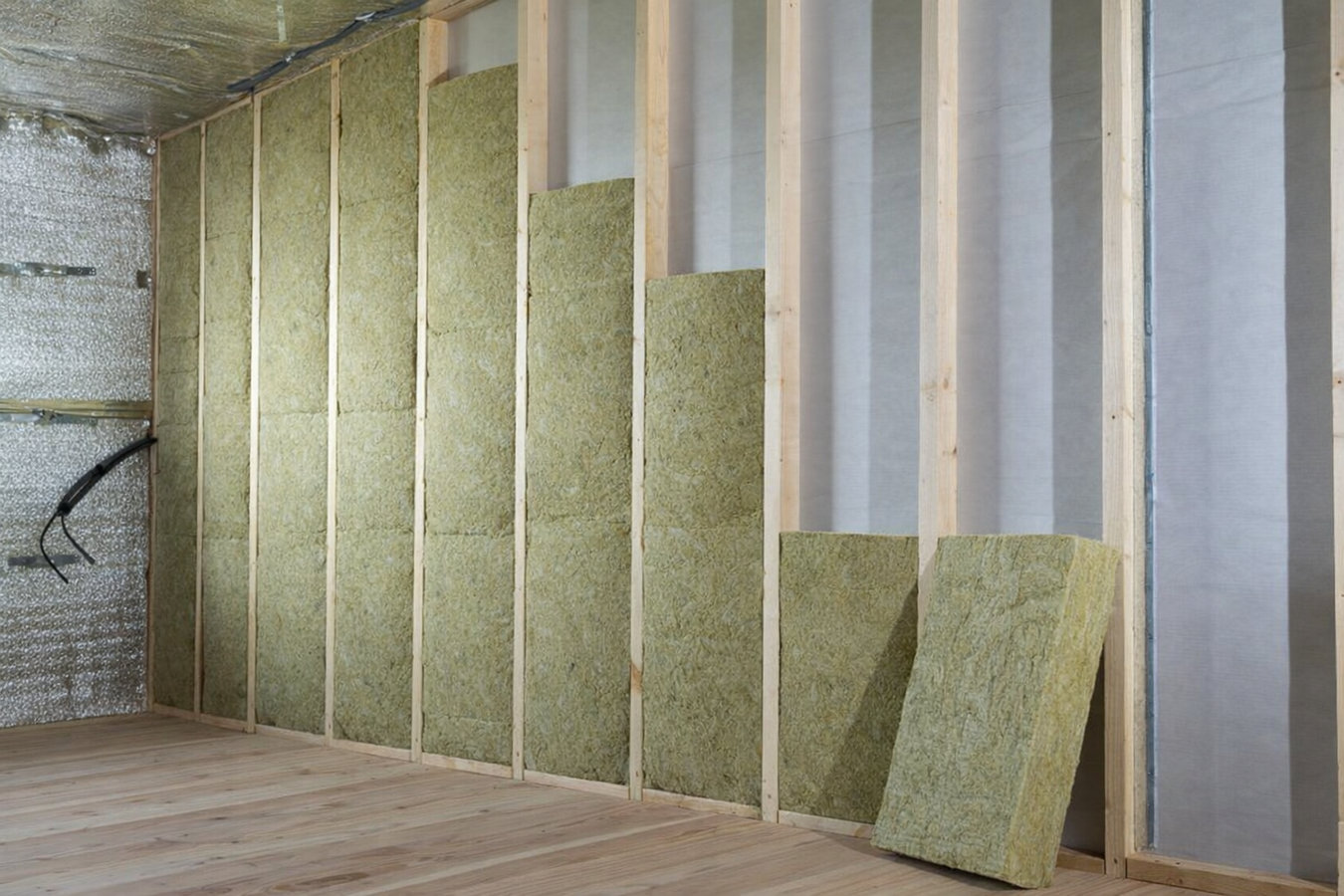
Every basement is different. We install spray foam, rigid foam board, and fiberglass batts depending on what the space calls for. For finished basements or spaces with moisture concerns, we often recommend closed-cell foam insulation, which seals gaps and acts as a moisture barrier at the same time. For unfinished basements where the goal is mainly to protect the living areas above, crawl space insulation methods applied to the floor above can be the most cost-effective path.
We assess your basement before recommending anything. That means checking for moisture, measuring the space, and understanding how you use it. You will get a clear written estimate that explains what we are recommending and why, with no pressure to decide on the spot.
Suits homeowners with finished or semi-finished basements who want the highest air-sealing performance alongside insulation value.
Suits homeowners who need a durable, cut-to-fit option for concrete walls, often used in combination with other materials.
Suits homeowners with unfinished basements who want to protect the living areas above without conditioning the basement itself.
Suits any basement situation - we seal gaps and penetrations before the insulation goes in, because insulation alone does not stop air movement.
Ennis sits on some of the heaviest clay soil in Texas. That soil expands when it absorbs rain and shrinks when it dries out in summer, which puts steady stress on basement walls and foundation slabs. Over time, that movement creates small cracks and gaps that let in both air and moisture. A good basement insulation job addresses those entry points before any material goes in - covering a crack without sealing it first just hides a problem that will return. Homeowners in Waxahachie and Italy deal with the same soil conditions and see the same results when basement air sealing and insulation are done correctly.
Ennis also has a significant share of homes built between the 1950s and 1980s, many of which went up when insulation standards were far lower than they are today. If your home is in that age range, the improvement you feel after a proper installation tends to be dramatic - and the energy savings are typically larger in older homes than in newer construction. Winter cold snaps that drop temperatures into the 20s push cold air up through uninsulated floors, and Ennis summers run long and hot enough to make every gap in your thermal envelope cost you money.
You will hear back within one business day to schedule a free in-home estimate. Just be ready to describe what you are noticing - cold floors, high bills, or moisture - and roughly when the house was built if you know it.
A contractor visits your home, checks the basement for moisture and air leakage, measures the space, and asks how you use it. You leave with a clear written estimate and a recommended approach - not a vague ballpark.
Clear stored items away from the walls and ceiling before the crew arrives. Most jobs finish in one day. We seal air gaps first, then install the insulation. You can stay in the house, though the basement will be off-limits while the crew is active.
When the work is done, we walk you through the finished basement, show you what was done and why, and clean up before we leave. In the weeks after, you should notice more consistent temperatures above and fewer drafts.
Free estimate, written quote, no pressure. We reply within one business day.
(469) 881-8137Ennis clay soil and humid summers create real conditions for water intrusion. We check for moisture concerns during the site visit and flag them honestly - we will not insulate over a problem. That means you are solving the issue, not covering it up.
We work in homes across Ennis and Ellis County and understand how the local soil, summer heat, and cold snaps interact with older construction. Our material and method recommendations reflect what actually works here, not a generic playbook.
When the scope of work requires a permit, we coordinate it with the local building department and schedule any inspection. Permitted work also protects your home's value if you ever sell.
You will know the timeline, the price, and exactly what the crew will do before anyone sets foot in your basement. No surprises on installation day, and no vague ballparks that expand once the job is under way.
Every basement insulation project we take on is grounded in a real site assessment, not assumptions. We stand behind the work, and we are local - so if something needs attention after installation, we are easy to reach.
The North American Insulation Manufacturers Association (NAIMA) publishes installation standards that reputable contractors follow regardless of brand or material.
A dense, rigid foam that provides high R-value per inch and doubles as a moisture barrier - ideal for basement walls in Ennis's humid climate.
Learn MoreProtects the floor structure above a crawl space from moisture and heat loss - a close companion to basement insulation in older Ennis homes.
Learn MoreSpots fill up before peak summer. Lock in your date now and start seeing lower energy bills this season.